It might appear that playing cards on the wind are planning the route of delivery in Australia. One traffic jam. One late pickup. One of the roads is closed due to the lack of information as to why. The whole plan tips over. The route optimisation software comes in and averts such wobbling.
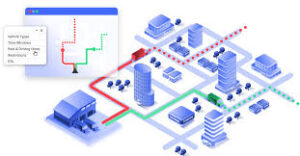
There is no longer any guessing by dispatch crews. The routes are built as per the live traffic, delivery windows, vehicle limits and the driver shifts. All things weigh together simultaneously. No scribbled notes. We are not talking of frenzied reshuffles that play havoc with lunch hours.
The faster, the more garbage is removed. Vans are no longer zig-zag around the suburbia. Trucks do not operate 24 hours round the clock as though they have something to drop. Each stop flew to its appropriate destination. The drivers are also not mumbling at the red lights as they take more time to deliver.
The cities of Australia import spice. Sydney traffic is a variable. Melbourne likes a surprise lane closure. There is one accident in Brisbane that is a city-stop. Routine optimisation software is receptive. It digresses, scene-less, and takes the day.
The local operations are not in excellent shape either. At long distance bad planning is punishable. It might be half an hour of more time and absence of possibility to take it back. Smart takes the stops into consideration, fuel stops and amortized timing on the stretches.
The change is too early to the drivers. Routes feel calmer. Breaks, where he should not. Completing is turned into a luxury. One of the drivers burst out into laughter and said that now it was like the map was learning Australia.
Planning time shrinks. Time which would have taken hours before now takes minutes. Add a last-minute delivery? Done. Swap a vehicle? Easy. Fire a sick-call driver? The system is not panicky. Phones ring less. Coffee stays warm.
The current day customer demands are high. “Sometime today” sounds lazy. Optimised routes make the ETA to take shorter time and tracking make it realistic. In case they make the delivery as they had anticipated, the customers are comfortable. The number of angry calls received at the desk was lower.
The fuel-saving is diabolical. Shorter routes burn less. Reduced idling means that engines breathe easily. Maintenance stretches out. The weekends do not wear cars out.
Managers receive knowledge as opposed to conjecture. Patterns appear. Slow routes stand out. There is no more hiding place of expensive lifestyle. The decisions are also improved as the facts can now be seen.
It is comical the change. One of the operation managers asserted that the software did not allow their fleet to play the postcode bingo. The purpose has now ended in every kilometre.
Use of route optimisation software in Australia is not an expensive technology. It’s about smoother days. Smarter plans. Faster deliveries. And less time as we all ask ourselves why are we going where?